
Is an apology required for furgiveness after you accidentally step on your dog’s paw, bump his tail, or speak more sharply than you meant to? Most dog owners know that awful feeling. Your dog yelps, jumps away, or gives you a wounded look, and your heart sinks immediately.
Dogs do not understand apologies exactly the way people do. They are not waiting for a formal speech, a handwritten note, or the perfect “magic words.” Still, they are very good at reading your tone, movement, facial expression, and behavior.
That means your response after an accident really does count. A calm voice, gentle movement, and quick check for injury can help your dog feel safe again. The apology may be more about reassurance than vocabulary.
Is an Apology Required for Furgiveness?
No, dogs do not need a formal apology in the human sense. Your dog is not keeping a record of whether you used the exact right words. He is more likely responding to whether he feels safe with you in that moment.
That does not mean your reaction is unimportant. Dogs pay close attention to the people they trust. If you suddenly gasp, lean over them, cry, or become frantic, they may become more confused or worried.
A gentle apology can still be helpful because it changes how you behave. When you soften your voice and slow your movements, your dog receives clearer signals. In that sense, saying “I’m sorry” may help both of you reset.
What Your Dog Notices After an Accident
Dogs are skilled observers. They watch how we move, listen to our voices, and respond to familiar patterns. After an accident, your dog may notice whether you are calm, tense, loud, gentle, or rushed.
Your dog may not understand every word you say, but many dogs recognize emotional tone and familiar phrases. A soft voice, relaxed face, and slower movement can help communicate that you are not a threat. Looming over a nervous dog or reaching too quickly toward a sore paw may have the opposite effect.
For more help reading those signals, see our guide to understanding your dog’s body language.
Give your dog a little room. Turn your body slightly sideways, lower your voice, and let him decide whether to come closer. That small pause can help him regain confidence after a startling moment.
What To Do If You Step on Your Dog’s Paw or Tail
Stepping on a paw or tail is one of the most common household accidents with dogs. It happens in kitchens, hallways, doorways, and busy family rooms. Dogs have a talent for appearing exactly where our feet are about to land.
First, stop moving and give your dog a moment. Speak softly, but do not grab him immediately unless he is in danger. A startled dog may need a few seconds to understand that the painful moment has passed.
Next, watch how he moves. Is he putting weight on the paw? Is he limping, holding the foot up, licking it repeatedly, or avoiding touch? Those signs may suggest soreness or injury.
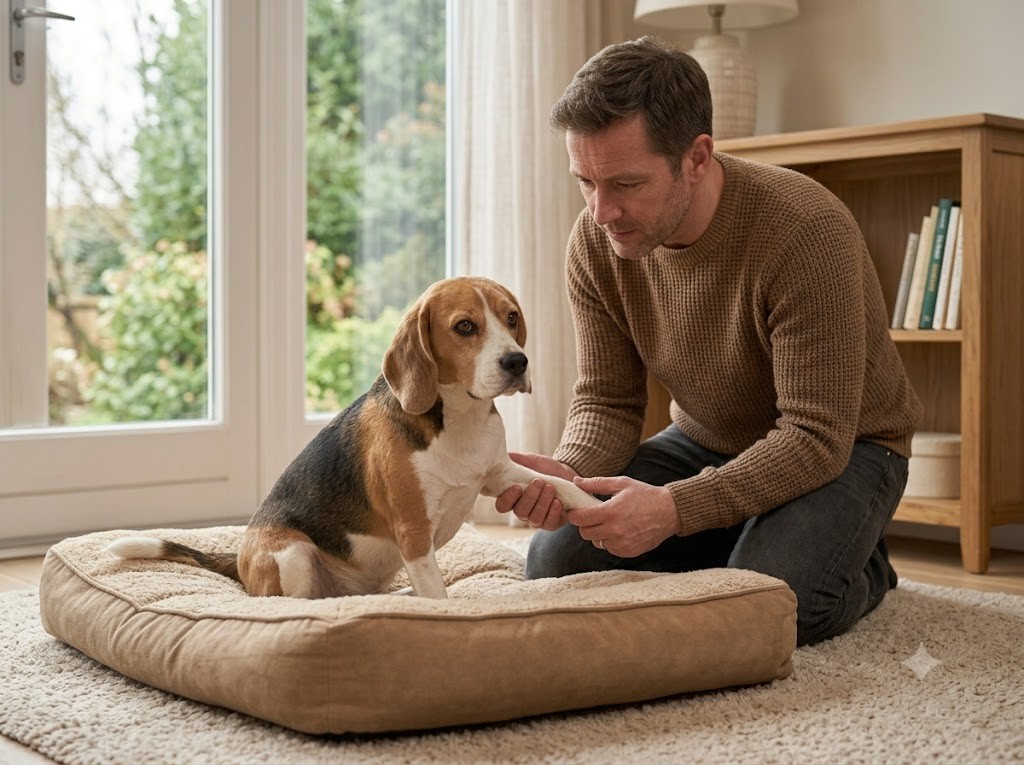
If your dog seems comfortable, you can gently check the paw, toes, nails, or tail. Keep your touch light. Stop if he pulls away, growls, yelps, or shows signs of pain.
What If You Spoke Too Sharply?
Sometimes the accident is emotional rather than physical. You may snap at your dog because you are tired, distracted, or upset about something else. Then you realize he did not deserve that tone at all.
Dogs may not replay the event the way a person might, but they can react to sudden anger. Some dogs cower, leave the room, lick their lips, avoid eye contact, or look confused. Others bounce back quickly once the tension passes.
The best repair is not a dramatic apology. Speak calmly, return to normal behavior, and avoid overwhelming the dog with guilt-driven attention. Gentle kindness is better than emotional intensity.
If your dog comes to you, offer affection in the way he enjoys. If he walks away, let him have space. Trust is often rebuilt through calm consistency, not one big moment.
Can Dogs Hold Grudges?
Many people say their dogs “hold grudges” after being upset. It can certainly look that way. A dog may turn away, refuse eye contact, avoid touch, or act cooler than usual for a while.
Still, it is safer to describe this as a stress response rather than a human-style grudge. Your dog may remember that something unpleasant happened. He may also need time to relax again.
Some dogs recover quickly. Others are more sensitive, especially if they are fearful, elderly, injured, or have a history of rough handling. A sensitive dog may need extra patience after a scare.
The Ralphie Video: A Sweet Example of “Furgiveness”
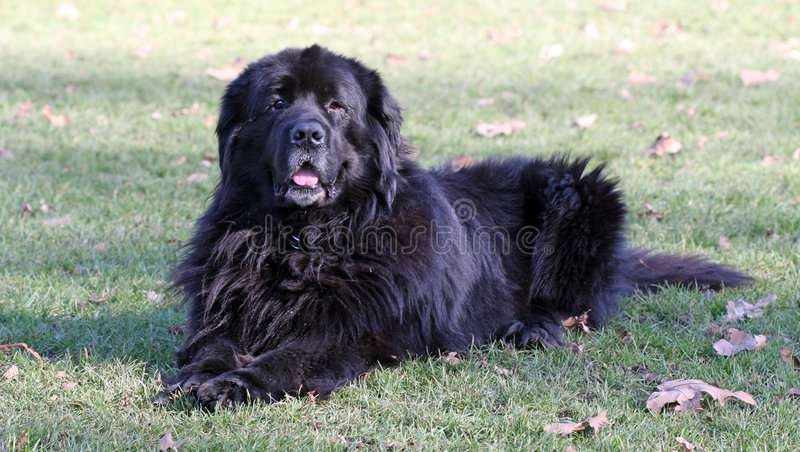
The Ralphie video is a charming example of why dog lovers enjoy the idea of furgiveness. Ralphie, a beautiful Newfoundland, appears to give his human the cold shoulder after something has upset him. His expression and body language make the moment easy to understand.
Of course, we cannot know exactly what Ralphie is thinking. What we can see is a dog responding to his person’s attention, tone, and interaction. That is what makes the clip so relatable.
The playful “magic words” idea works because it reflects something dog owners recognize. We talk to our dogs because they are part of our homes and routines. They may not understand every word, but they often understand more than people sometimes assume.
Video: Ralphie the Newfoundland reacts to his human’s apology and offers a sweet example of dog communication and connection.
How To Rebuild the Moment
After an accident, the goal is to help your dog feelsafe again. Start with a calm voice and relaxed movement. Avoid rushing toward him or grabbing the sore area before he is ready.
You might say, “I’m sorry, buddy,” sit nearby, offer a gentle touch, or let him come to you when he is ready. A small treat can help if he is frightened but not injured. If he seems hurt, comfort and safety come first.
When To Check for Injury
Some accidents are minor. Others need closer attention. If your dog yelps and then returns to normal movement, he may simply have been startled or briefly hurt.
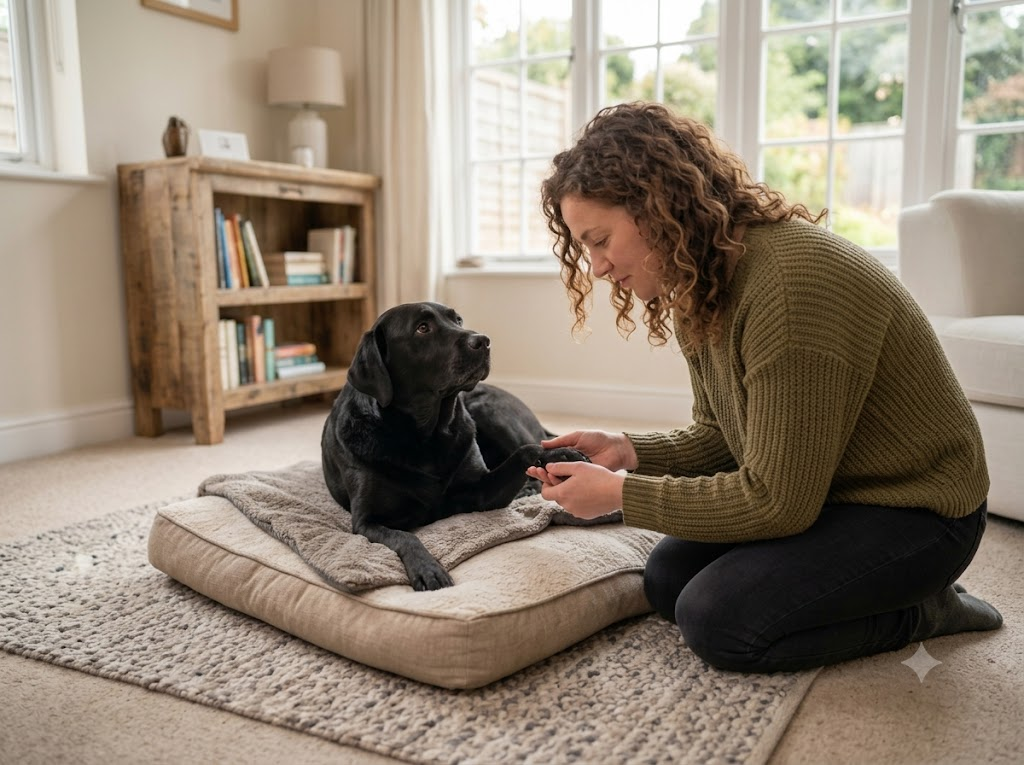
Watch for warning signs after stepping on a paw, tail, or leg. Limping, swelling, bleeding, repeated licking, shaking, hiding, growling when touched, or refusing to bear weight should be taken seriously. A small dog, senior dog, puppy, or dog with arthritis may be injured more easily.
If symptoms continue, call your veterinarian. It is better to ask early than to miss a painful injury. Dogs may hide pain, especially when they are trying to act normal around their people.
For a broader look at pain signs, see understanding canine pain.
Also be careful after a harsh correction or frightening moment. If your dog becomes unusually withdrawn, defensive, or fearful, slow down and rebuild trust gently. A trainer or veterinary behavior professional may help if fear or defensive behavior continues.
Final Thoughts
So, is an apology required for furgiveness? Not in the formal human sense. Your dog is not waiting for a legal statement, a perfect sentence, or an official ceremony.
Still, your response after an accident can help your dog feel safe. The words may be for you, but the reassurance is for him.
Most dogs are wonderfully forgiving when they live with people who are kind and consistent. One accidental step or one bad moment does not erase a long history of love. When accidents happen, we can respond with humility, kindness, and care.
Sources
- American Kennel Club: Do Dogs Understand Words?
- American Kennel Club: Understanding Dog Body Language
- VCA Animal Hospitals: Recognizing Pain in Dogs
- Happy Mutt: Study Shows Your Dog Feels When You Are Upset and in Need of Help
Editor’s Note: This article was updated and expanded in July 2026 with clearer dog behavior guidance, practical steps after accidental bumps or harsh words, and a more careful explanation of what dogs may understand after an upsetting moment.
Disclaimer: This article is for general educational and entertainment purposes only. It is not veterinary, behavioral, or medical advice. If your dog is limping, bleeding, hiding, growling when touched, refusing to bear weight, or showing signs of pain or fear, contact your veterinarian or a qualified professional for guidance.
Photo Credit: All images © Sloan Digital Publishing and licensed stock sources. Used with permission.