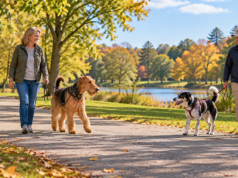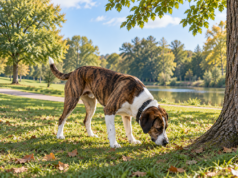
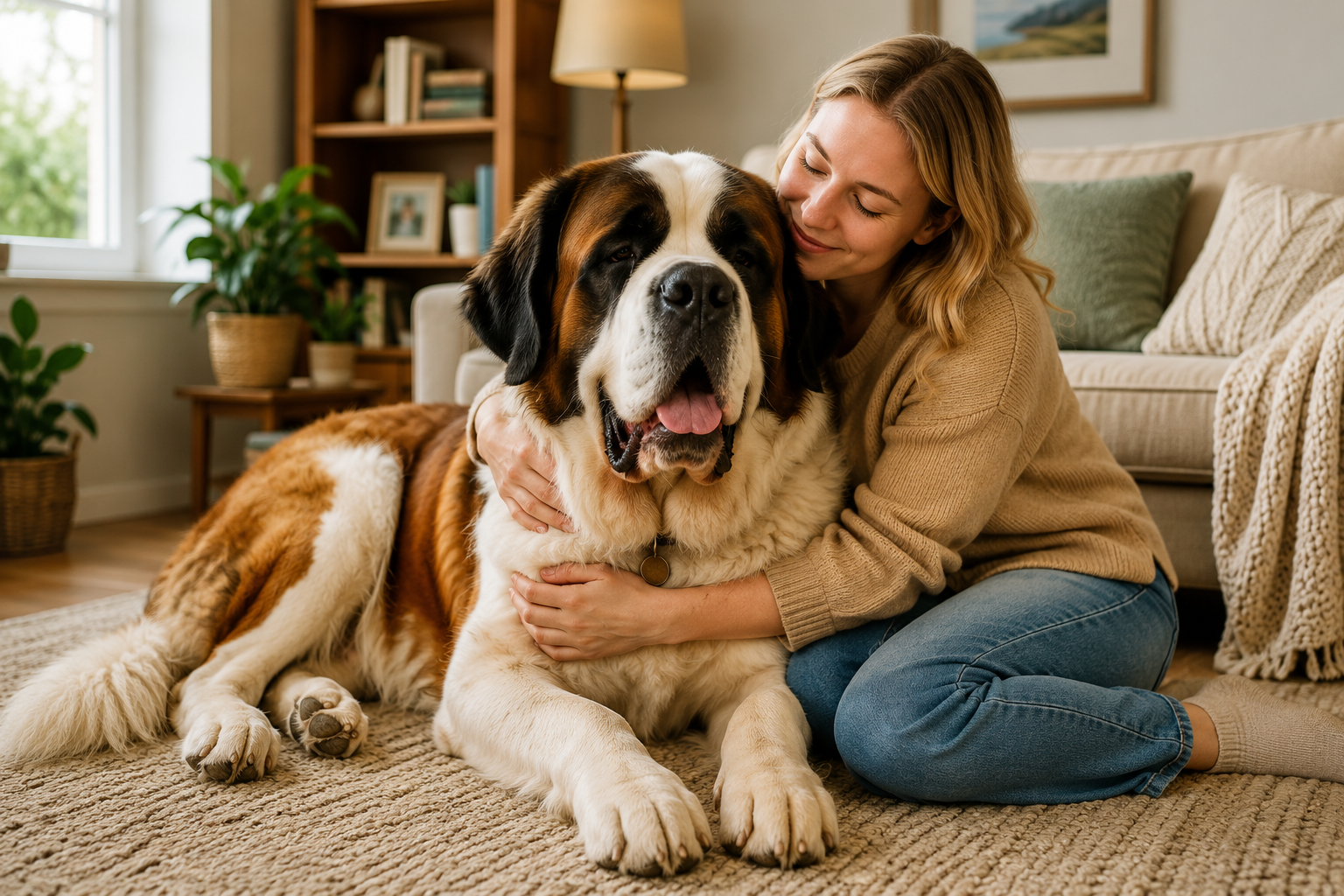
A true dog person does not usually become one all at once. It happens slowly, somewhere between the first tail wag, the first muddy paw print, and the first time you rearrange your schedule around a dog who has no idea how much power she holds.
One day, you realize your camera roll is mostly dog photos. Your furniture choices have become suspiciously practical. You talk to your dog as if she understands every word, and honestly, sometimes it feels like she does.
Loving a dog is not only about having one in the house. It is about the way dogs settle into your routines, your language, your plans, and your heart. If most of these signs feel familiar, you may already know the answer.
You Talk to Your Dog Every Day
Many devoted owners talk to their dogs about almost everything. They explain why they are leaving, narrate dinner plans, ask opinions about the weather, and sometimes apologize for being late with a walk.
To someone who has never shared life with a dog, this may seem silly. To people who love dogs, it feels completely normal. Dogs may not understand every word, but they often understand tone, routine, facial expression, and attention.
Talking to your dog can also strengthen the bond between you. It keeps your dog included in your day, and it gives you a gentle place to put thoughts, affection, and comfort. Many dog lovers would admit that their dog is one of the best listeners in the house.
You Know Your Dog’s Many Looks
A casual visitor may see only one dog face. A devoted owner sees a whole language. There is the “I need to go out” look, the “you forgot my treat” look, the “something is suspicious outside” look, and the unforgettable “I did not do that” look.
Over time, you learn your dog’s ears, eyes, posture, tail, and breathing. You notice whether she is relaxed, worried, excited, bored, or trying very hard to convince you that she has not been fed in years.
This kind of awareness matters. Dogs communicate through body language, and careful owners often spot changes before anyone else does. Reading your dog well helps you respond with patience instead of confusion.
You Understand That Not Every Tail Wag Means Joy
People who love dogs know that a wagging tail does not always mean a happy dog. A loose, sweeping wag from a relaxed body can show friendliness or joy. A stiff, fast wag with tense posture can mean excitement, uncertainty, or stress.
That is why experienced owners watch the whole dog, not just the tail. They notice whether the mouth is soft, the body is loose, the ears are relaxed, and the dog is free to move away.
This awareness is part of loving dogs well. A caring owner wants a dog to feel safe, not just obedient. When you understand body language, you can protect your dog from situations that feel too stressful.
For more help reading canine signals, see the American Kennel Club’s guide to how to read dog body language.
If your dog becomes nervous around people or other dogs, you may also find our article on yellow ribbons for anxious or reactive dogs helpful.
Your House Is Arranged Around Your Dog
At some point, dog lovers stop pretending the house belongs only to the humans. The dog has a bed in the living room, another near the bedroom, a favorite blanket, a toy basket, and perhaps one chair everyone knows is no longer available to guests.
You may choose rugs because they are easier to clean. You may buy a sofa cover because muddy paws happen. You may even choose bedding, flooring, or paint colors with shedding in mind.
This does not mean the dog has no rules. It simply means the home has made room for a beloved family member. A house with a dog often has more fur, more paw prints, and more joy than it had before.
You Celebrate Dog Birthdays and Gotcha Days
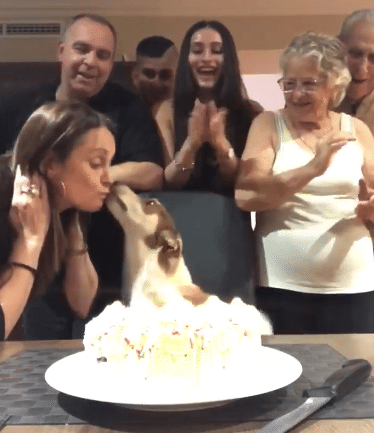
People who adore dogs do not always need a formal reason to celebrate. Still, birthdays, adoption anniversaries, and “gotcha days” are hard to ignore. A dog who has brought years of loyalty into a family deserves a little extra attention.
Some owners buy a special toy. Others bake a dog-safe treat, take a favorite walk, or share a photo online. A few may quietly whisper, “I am so glad we found you,” while scratching behind a familiar ear.
These celebrations are not about pretending dogs are people. They are about gratitude. Dog lovers remember the day a dog entered their life because life changed after that.
Your Schedule Revolves Around Your Dog
A devoted owner may say, “I can come, but I need to be home by dinner.” Everyone knows whose dinner that means. Walks, medications, feeding times, grooming appointments, and vet visits become part of the calendar.
Travel plans change when a dog is involved. Errands are timed around weather. Long days away from home require planning, help, or a little guilt.
This kind of responsibility is one of the clearest signs of a serious dog lover. You do not see your dog’s needs as an inconvenience. You see them as part of the promise you made when that dog became yours.
You Have More Dog Photos Than Almost Anything Else
Open the average dog lover’s phone and you may find an entire documentary about one dog’s life. Sleeping dog. Yawning dog. Dog with one ear flipped backward. Dog looking guilty beside something destroyed.
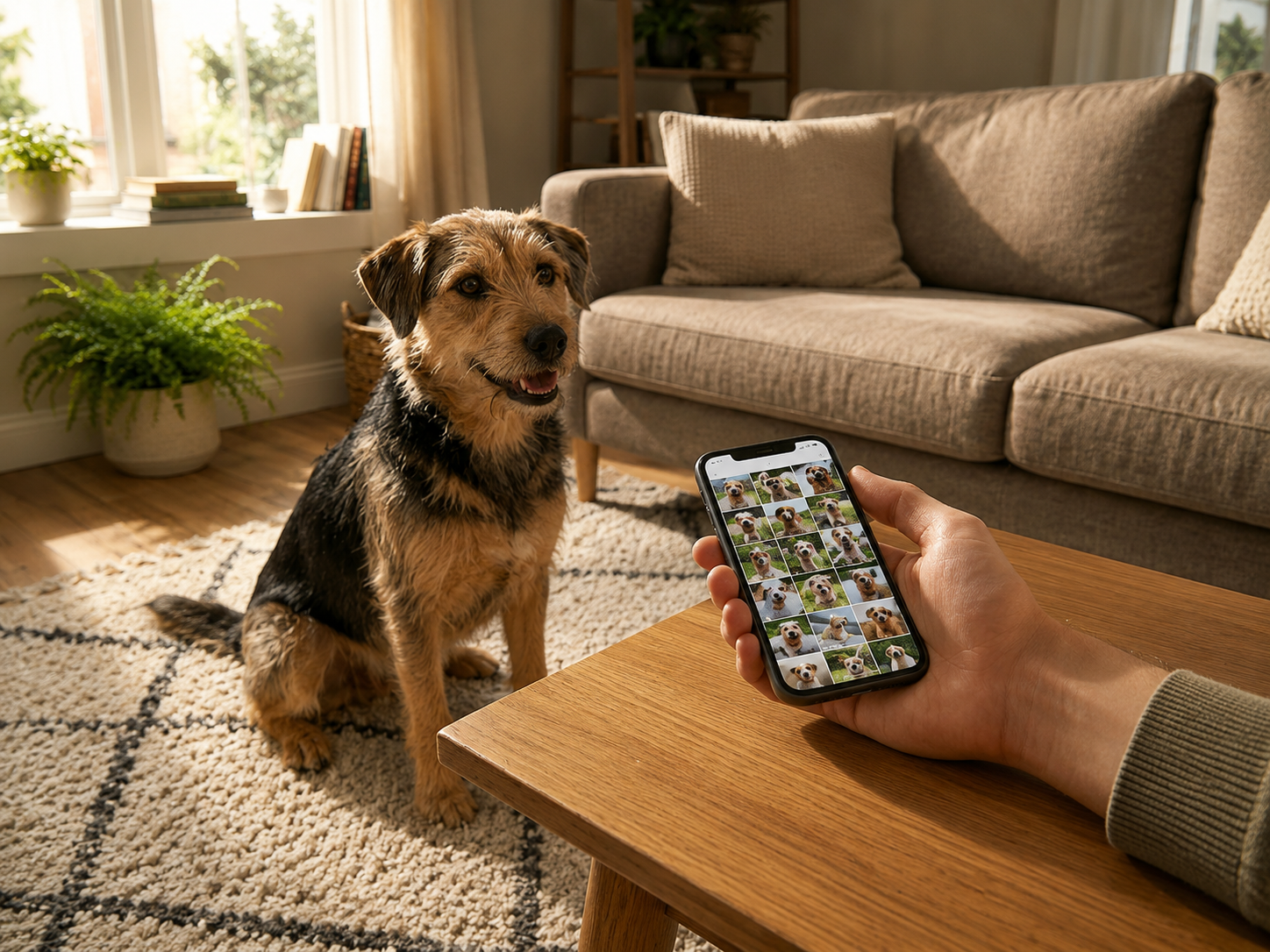
To anyone else, many of these pictures may look nearly identical. To you, each one is special. You remember the day, the expression, the sound she made, or the reason you laughed.
Dog photos are more than pictures. They are small records of ordinary love. Years later, even a blurry photo can bring back the feel of a season, a home, or a dog you still miss.
You Have a Collection of Nicknames
Most dogs have an official name. Their families rarely stop there. A dog may have a formal name, a shortened name, a silly name, a sleepy name, a food-related name, and at least one nickname that makes no sense to anyone else.
Some nicknames come from personality. Others come from funny moments, habits, sounds, or family jokes. Before long, the dog answers to several of them, especially if one is said in the treat voice.
Nicknames are one of the small signs of affection. They show that the dog is not just present in the house. She has become part of the family language.
You Worry Over Small Changes
A caring owner notices things other people might miss. One skipped meal, one slower climb up the steps, one extra-long nap, or one strange cough can make you watch more closely.
Sometimes the change turns out to be nothing serious. Other times, that careful attention helps catch a problem early. Either way, people who live closely with dogs know that small changes can matter because dogs cannot explain how they feel.
This is one reason daily life with a dog builds such close observation. You learn what is normal for your dog. Then, when something seems different, you are more likely to pay attention.
You Sometimes Prefer Dogs to People
Many dog lovers have said it at least once: “Dogs are better than people.” It may be said with a laugh, but there is often a little truth behind it.
Dogs do not care whether your house is perfect. They do not mind if your hair is messy or your day has gone badly. They are usually glad to see you, even if you were only gone long enough to take out the trash.
That kind of honest welcome can be deeply comforting. Dogs are not perfect, but their loyalty often feels simple in a world that can feel complicated.
You Find Joy in Tiny Moments
A dog-loving home is rich in small joys. A happy tail thump, a sleepy sigh, a sudden zoomie, or a head resting on your knee can change the whole feeling of a day.
These moments may not look important from the outside. Yet they often become the memories we treasure most. Life with a dog is full of little scenes that would seem ordinary if they did not mean so much.
Research has shown that pets can support emotional well-being for many people, though every person and situation is different. For those who love dogs deeply, the comfort often feels very personal. A dog’s quiet presence can make a hard day feel less lonely.
You Care About Dogs Beyond Your Own
A true dog person usually has room in the heart for more than one dog. That does not always mean bringing another dog home. Sometimes it means sharing lost dog posts, donating to a rescue, supporting a shelter, or stopping to help a loose dog near the road.
Dog lovers notice dogs. They notice a senior dog walking slowly beside an older owner. They notice a nervous dog trying to stay behind someone’s legs. They notice a shelter dog whose eyes seem to ask for a second chance.
This compassion is part of the dog-loving life. Once dogs have changed your own heart, it becomes harder not to care about dogs everywhere.
You Have Learned a Whole New Vocabulary
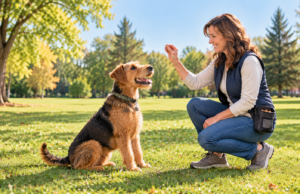
People who live with dogs learn words and phrases they may never have expected to use so often. Sit, stay, wait, leave it, gentle, settle, come, heel, drop it, and “what do you have?” all become part of daily speech.
Training is not only about control. At its best, it is communication. It helps dogs understand what we need, and it helps us guide them with more kindness and less frustration.
Even simple training can strengthen the bond between a dog and owner. When a dog learns what earns praise, safety, and connection, life becomes easier for everyone in the home.
You Plan Big Decisions With Your Dog in Mind
A devoted owner does not make major life plans without thinking about the dog. A move, new job, vacation, relationship, vehicle, or home layout may all be judged partly by one question: how will this affect the dog?
You may look for fenced yards, nearby walking areas, pet-friendly rentals, or a schedule that allows enough time at home. You may think twice about long trips or sudden changes because your dog’s comfort matters.
That is one of the clearest signs that your dog is family. She is not an accessory to your life. She is part of the life you are building.
You Miss Your Dog When You Are Away
Some people enjoy a break from responsibility when they leave home. Dog lovers often spend part of that time wondering what the dog is doing. Is she sleeping? Did she eat? Is she watching the door?
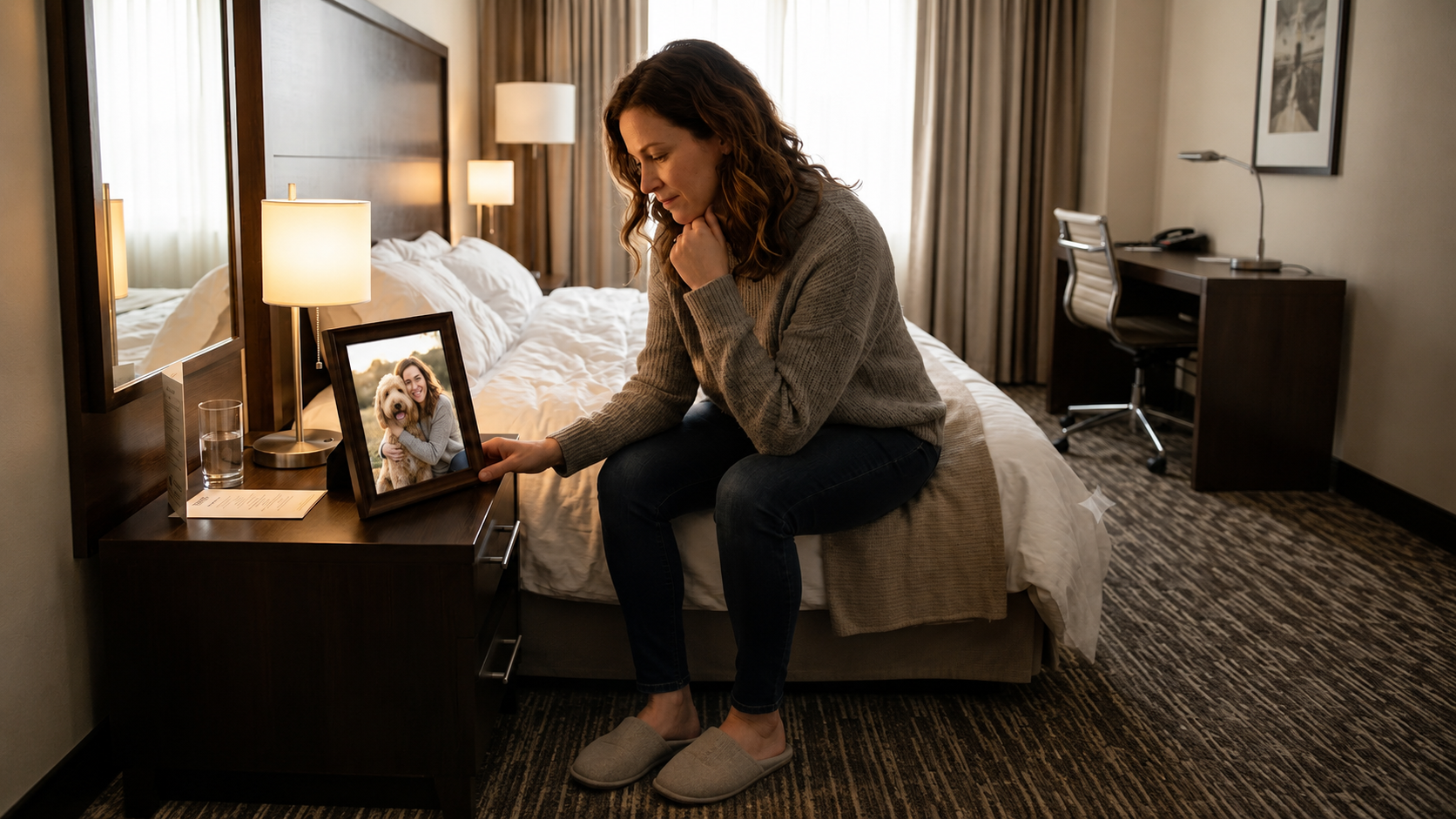
You may check in with the sitter, look at a pet camera, or hurry home sooner than planned. Even when your dog is safe and well cared for, the house feels different without her greeting.
This kind of missing is one of the tender costs of loving a dog. Their absence reminds you how much their presence fills the room.
You Know Dogs Leave Marks That Last
Every devoted owner eventually learns that dogs leave more than fur behind. They leave habits, routines, stories, and places in the heart that do not close just because time passes.
For many families, the bond becomes so deep that grief after losing a dog can feel overwhelming. We talk more about that in Not Just a Dog: Why Losing a Dog Hurts So Much.
You may still remember the sound of a certain bark, the weight of a head in your lap, or the way one special dog looked at you. These memories become part of your own story.
That is why people who love dogs understand one another so quickly. We know that sharing life with a dog can be funny, messy, expensive, inconvenient, and absolutely worth it.
Are You Truly a Dog Person?
If you smiled through this list, you probably already know the answer. You are a dog person if dogs have changed the way you live, love, plan, and notice the world.
You are a dog person if you see a dog not as “just a pet,” but as a companion with feelings, preferences, fears, joys, and a place in the family. You are a dog person if your life has been made softer, sillier, and richer because a dog was in it.
There is no membership card for this club. There is usually just a leash by the door, fur on your clothes, a few muddy paw prints, and a heart that knows exactly why it is all worth it.
Ways to Celebrate Your Dog-Loving Side
- Take your dog on a favorite walk and let her enjoy the smells.
- Create a small photo album of your favorite dog memories.
- Teach a simple new trick using praise and patience.
- Donate towels, blankets, food, or supplies to a local rescue.
- Write down a favorite memory about a dog who changed your life.
- Share a kind word or helpful resource with a new dog owner.
Share Your Story
When did you realize you were truly a dog person? Was it the first time you planned your day around your dog, talked to her like a family member, or realized your phone had more dog photos than anything else?
We would love to hear your story. Share a favorite memory, habit, or photo with other dog lovers who understand exactly why dogs mean so much.
Sources:
- American Kennel Club: How to Read Dog Body Language
- National Institutes of Health: Human-Animal Interaction and Mental Health
- American Psychological Association: Pets and Personality
Editor’s Note: This article was updated in October, 2026.
Amazon Affiliate Disclosure: As an Amazon Associate, we may earn from qualifying purchases without any additional cost to you.
Photo Credit: All images © Sloan Digital Publishing and licensed stock sources. Used with permission.