gunner-wwii-dog-percy-westcott.jpg
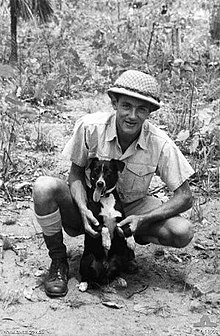
Leading Aircraftman Percy Leslie Westcott with Gunner, the Kelpie who warned RAAF personnel of approaching enemy aircraft.

Gunner the WWII dog did not enter military service through training or careful selection. He was found injured beneath the ruins of a building after Japanese aircraft attacked Darwin, Australia. Yet this frightened young Kelpie soon became one of the airfield’s most trusted warning systems.

Long before the men heard approaching aircraft, Gunner often became agitated and ran toward shelter. His reactions grew so dependable that airmen learned to pay attention. This remarkable dog often gave them precious extra time before enemy planes appeared overhead.

A Puppy Found After the Bombing of Darwin

On February 19, 1942, Japanese aircraft launched the first major attack on mainland Australia. Bombs struck Darwin’s harbor, airfields, ships, and buildings. The surprise attack left extensive destruction and turned an ordinary morning into chaos.

Members of No. 2 Squadron, Royal Australian Air Force, heard a puppy whimpering beneath a damaged mess building. The black-and-white dog was about six months old and had a broken front leg. No one knew where he had come from or who had owned him.

The airmen carried the injured puppy to a field hospital. According to the story passed down through RAAF history, the medical officer wanted a patient name and number. The men named him Gunner and supplied the memorable service number 0000.

The doctor set and plastered Gunner’s leg. Leading Aircraftman Percy Leslie Westcott then took responsibility for the young dog. From that point forward, Gunner had a name, a home, and a man who cared for him.

Australian airman holding a young black-and-white Kelpie after the bombing of Darwin during World War II
An artist’s interpretation of the young Kelpie who was rescued after the Japanese attack on Darwin and later named Gunner.

Gunner Found His Place Among the Airmen

Gunner had survived an experience that would have terrified any animal. The explosions, collapsing structures, and roaring aircraft had left him badly shaken. Even so, he responded to the patience and affection of Westcott and the other men.

Before long, Gunner became part of daily life at the base. He slept beneath Westcott’s bunk and followed the men around their quarters. Accounts also describe him joining outdoor movie nights and visiting the shower block with his companions.

Gunner reportedly rode with pilots during practice takeoffs and landings. Whether resting near the bunks or accompanying the men, he was rarely treated like an unwanted stray. He had become their dog and was a welcome source of companionship.

That bond was especially meaningful in wartime. The men lived with the knowledge that another raid could arrive any minute and without warning. Gunner gave them affection, normalcy, and something familiar amid the uncertainty.

The Warning No One Expected

About a week after his rescue, Gunner suddenly began whining, jumping, and showing obvious distress. The airmen could not see any immediate reason for his behavior. Soon afterward, however, they heard aircraft engines in the distance.

Japanese planes appeared over Darwin and another attack followed. Two days later, Gunner reacted in the same way. Once again, enemy aircraft arrived shortly afterward.

The men began to recognize a pattern. Gunner became restless before Japanese raids, often well before human ears detected the planes. He would whine, jump, and move urgently toward shelter.

Some accounts say Gunner warned the airmen as much as 20 minutes before the planes arrived. Even a shorter warning would have been valuable during an air raid. Those few extra minutes helped men seek cover and prepare for danger.

Gunner Knew Which Aircraft Were Coming

Gunner’s ability involved more than simply hearing an airplane before the men did. Allied aircraft regularly used the airfield, yet he did not react to them in the same way. His strongest warnings came when Japanese planes were approaching.

The airmen believed he could distinguish the enemy engines from familiar Allied aircraft. Dogs can hear sounds at greater distances and higher frequencies than people. Gunner may also have remembered the engine sounds connected with the raid that injured him.

No one knows exactly which sounds or vibrations he recognized. He may have noticed engine pitch, flight formation, direction, or several clues together. What mattered to the squadron was the consistency of his response.

Gunner proved reliable enough that Wing Commander Charles “Tich” McFarlane reportedly approved an unusual procedure. Westcott sounded a portable air-raid siren whenever Gunner gave his established warning. A once-injured stray had become part of the base’s defense.

Black-and-white Kelpie alerting RAAF airmen to approaching aircraft at Darwin during World War II
An artist’s interpretation of Gunner warning RAAF airmen that enemy aircraft were approaching Darwin.

A Dog the Squadron Trusted

Gunner did not understand military ranks, radar systems, or the larger conflict surrounding Darwin. He simply responded to danger in the only way he could. The men learned to recognize what he was telling them.

His warnings were not dramatic acts performed on command. They grew from his senses, memory, and desire to reach safety. By alerting the people around him, Gunner helped them respond sooner as well.

That is what makes his story heroic in a dog lover’s eyes. He used an extraordinary natural ability in a way that protected his human companions. His courage did not require him to be fearless.

In fact, Gunner’s fear may have sharpened his warnings. He remembered what approaching enemy aircraft could bring. Instead of being dismissed as a frightened dog, he was understood and trusted.

When Gunner and Percy Had to Part

Westcott remained Gunner’s handler and closest companion for about 18 months. When the airman was transferred to Melbourne, Gunner stayed behind in Darwin. An RAAF butcher reportedly assumed responsibility for his care.

It must have been a difficult separation for both of them. Westcott had helped rescue Gunner, cared for his broken leg, and given him security. Gunner had repaid that kindness with devotion and remarkable warnings.

The surviving historical record becomes less certain after their separation. Some later stories suggest Gunner eventually lived with a serviceman’s family and reached old age. That comforting ending has not been firmly confirmed.

We can hope Gunner spent his later years surrounded by people who valued him. Still, his unknown final chapter does not change what he did at Darwin. His wartime role remains the part of his life history remembers best.

Why Gunner’s Story Still Touches Dog Lovers

Gunner was not bred for military work or trained to detect approaching aircraft. He was a wounded stray who received help when he desperately needed it. The care of the airmen allowed his trust and personality to emerge.

In return, Gunner offered far more than companionship. He paid attention to dangers the men could not yet hear. Then he communicated those warnings so clearly that an entire squadron learned to respond.

His story also reminds us how closely dogs watch the world around them. They notice sounds, movements, routines, and changes that people often miss. Their behavior can carry important information when we are willing to observe it.

Modern military and service dogs receive extensive training for highly specialized work. Gunner’s contribution was different because it developed naturally. His gift was recognized only because the men knew him well enough to notice and to trust.

You can read about another courageous military dog in K-9 Hero of the Al-Baghdadi Raid. EDC also shares more unforgettable examples in Ten of the Most Faithful Dogs.

Remembering Gunner the WWII Dog

Gunner entered the lives of the RAAF airmen as an injured puppy beneath a ruined building. He became Percy Westcott’s companion and a beloved member of the squadron. Then his unusual hearing made him something even more remarkable.

He could not stop the aircraft or prevent the raids. What he could do was warn the people who had rescued him. Again and again, his behavior told them that danger was approaching.

We may never know every detail of Gunner’s later life. We do know that frightened men came to trust the warning of a frightened dog. Their willingness to listen allowed his natural gift to serve a heroic purpose.

Gunner’s story deserves to be remembered with warmth and respect. He was more than an unusual wartime footnote. He was a survivor, a loyal companion, and a true canine hero.

Editor’s Note: Earlier versions of this article repeated a social media claim that Gunner’s final fate had recently been discovered. Available historical records do not firmly confirm that ending. The article has been updated while preserving the hope that Gunner enjoyed a safe and loving life after his service.

Photo Credit:  Feature image: Australian War Memorial, Accession Number 044608. Public domain. All other images © Sloan Digital Publishing and licensed stock sources. Used with permission.


LEAVE A REPLY

Please enter your comment!
Please enter your name here