Some dogs refuse dog house use despite kind encouragement. The behavior frustrates owners and can endanger canine safety. Shelter matters during storms and extreme temperatures.
Understanding the reasons behind avoidance is the essential first step. Patience and smart training can change the outcome. Most dogs can accept shelter again with the right plan.

Why Dogs Refuse Dog House Use
Several causes appear frequently across households. Trauma creates powerful negative associations with enclosed spaces. Poor placement can also trigger avoidance or separation distress.
Size and ventilation problems make shelters feel cramped or stuffy. Dampness and odors discourage entry and resting behavior. Temperature extremes create discomfort and discourage exploration.
Lack of positive reinforcement fails to build good associations. Identify the dominant driver before applying any solution.
Case Study: Taengi’s Fear After Storm Trauma
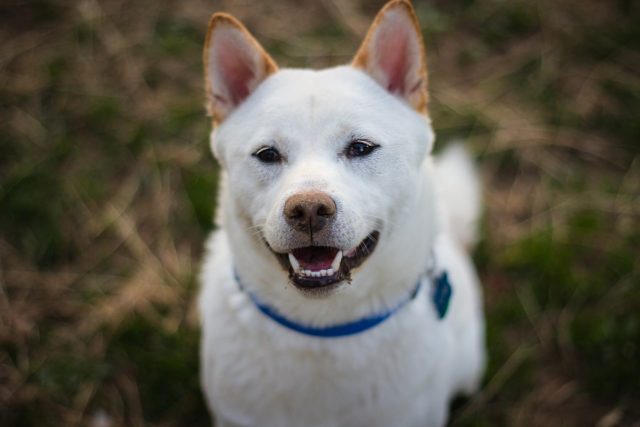
Taengi appeared on SBS TV Animal Farm. She owned a sturdy house yet refused entry. As a puppy, a storm flipped her small house. The incident trapped and terrified her during heavy winds. Years later, rain still triggered intense avoidance.
She even avoided umbrellas, likely linked with storms. Without shelter, risks increased during severe weather. Her owner sought assistance from a behavior expert. That step was wise and compassionate.
Creative Plan: Turning Fear Into Comfort
Trainer Chanjong suggested a clever approach. He placed umbrellas around the yard perimeter. The outside felt slightly uncomfortable to remain in. Her owner waited inside the dog house patiently. He praised calm steps toward the doorway.
Taengi slowly chose the quieter, safer interior space. The plan worked and rebuilt confidence. Even deep trauma can soften with careful training. Progress requires consistency, empathy, and small wins.
Case Study: Deogsun and Placement Problems
Deogsun never entered his dog house. Trauma was not the cause in this case. The shelter had been moved to the side yard. That location separated him from family activity. Dogs are social and often want proximity.
The move made him feel isolated and uneasy. The owner returned the house to the front. From there he could watch family life. Deogsun accepted the shelter immediately after the move. Placement can either comfort or alienate sensitive dogs.

Diagnose Before You Train
Observation guides the plan effectively. Note weather, noise, and time of day. Watch the dog’s posture and breathing. Look for trembling, lip licking, or avoidance arcs. Inspect the house for size and airflow.
Check for sharp smells, dampness, or pests. Confirm shade and sun exposure across the day. Ensure the entry is not slippery or narrow. Consider sightlines to the yard and home. Dogs refuse dog house use for specific reasons. Pinpoint the reason before changing anything.
Prepare the House for Success
Match the house size to the dog. A house should allow standing and turning. Larger is not always better for warmth. Improve ventilation to prevent stuffiness and heat buildup.
Seal leaks and dry any damp surfaces fully. Wash bedding and air the interior often. Add a soft mat or orthopedic pad. Place the house near family traffic areas. Give clear sightlines to doors and windows. Dogs relax when they can monitor activity.
Step-by-Step Plan When Dogs Refuse Dog House
Start with low-pressure exploration first. Prop the door open for full visibility. Scatter high-value treats near the entrance. Reward any calm glance toward the opening. Next, reward one paw inside briefly. Keep sessions short and upbeat. End before frustration appears or builds. Add a cue like “house” gently and consistently.
Move treats slightly deeper over sessions. Feed meals just inside the doorway later. Then place the bowl fully inside. Sit beside the house during meals. Praise relaxed body language generously. Introduce a favorite toy or chew inside.
Offer quiet time near you in the doorway. Gradually close the door for seconds only. Reopen and praise calm behavior immediately. Extend door time slowly over days. Keep sessions predictable and positive throughout. Consistency is your strongest ally here.
Puppies Versus Adult Dogs
Puppies learn quickly with gentle shaping. Keep exposures short and frequent. Pair the house with mealtime and nap time. Adult dogs may need slower pacing. Respect prior experiences and body language. Avoid sudden changes or forced entry. Build success through tiny, repeatable steps. Celebrate and reinforce every calm approach.
Use Scent and Comfort to Help
Scent eases anxiety and builds familiarity. Place a worn T-shirt inside the house. Add bedding carrying the dog’s scent. Use a pheromone diffuser near the doorway. Provide a favorite chew for relaxation. Keep water accessible nearby. Comfort reduces stress and speeds progress.
Weatherproofing and Seasonal Tweaks
Summer comfort needs ventilation and shade. Consider reflective roofing or shade sails. Provide cooling mats during heat waves. Winter comfort needs insulation and dryness. Elevate the house to prevent ground dampness.
Add wind breaks on exposed sides. Use safe, chew-resistant bedding for warmth. Check conditions after storms or freezes. Dogs refuse dog house use when uncomfortable. Comfort is foundational to training success.
Common Mistakes to Avoid
Never force or drag a dog inside. That approach increases fear and resistance. Do not use the house as punishment. Avoid scolding near the shelter opening. Do not ignore leaks or odors.
Skipping cleaning destroys positive associations quickly. Do not place the house far from family. Isolation discourages natural resting behavior. Avoid long sessions that create fatigue. Keep progress gradual and achievable.
When to Call a Professional
Some cases involve strong trauma or anxiety. Seek a certified trainer or behaviorist then. Professionals design customized, humane plans. They also coach timing and reinforcement skills. Medical issues can also underlie avoidance. Schedule a veterinary exam if unsure. Collaboration speeds results and protects welfare.
Quick Checklist for Busy Owners
- Confirm size, airflow, and dryness first.
- Place the house near family activity.
- Build positive associations with food and play.
- Shape entry in tiny, reliable steps.
- Keep sessions short and always positive.
- Weatherproof for seasonal comfort.
- Call a pro for trauma or setbacks.
Why This Matters for Health and Safety
A dependable shelter protects from heat and cold. It reduces stress during storms and fireworks. It prevents exposure injuries and illness. Shelters also offer a quiet decompression space. Dogs refuse dog house use for understandable reasons. Your plan can rebuild trust and comfort. Small wins accumulate into lasting habits.
More to Read and Trusted Resources
Explore more training articles at Excellent Dogs Club. Review behavior guidance from the ASPCA’s behavior resources. These references support humane, evidence-based methods.
Final Thoughts
Dogs refuse dog house use for varied reasons. Taengi’s fear shows the impact of trauma. Deogsun’s story highlights placement effects. Diagnose, then plan careful, positive steps. Improve comfort and location before training.
Reinforce calm behavior and end on wins. Seek professional help when needed. With patience, your dog can accept shelter. Comfort and safety will follow naturally.
Original story inspired by SBS TV Animal Farm.